Xenvectors

Marks for makers who sell by name, edition and bloodline.

Identity systems built to survive engraving, embroidery and steel.

The piece is collectible. The mark usually isn’t.

You built a product people pay a premium for — because of the craft, the lineage, the fact that there are only a hundred of them. Then it ships with a mark that was drawn for a screen, breaks apart at engraving size, and says nothing about why the piece is worth what it’s worth.

The mark isn’t decoration on the product. On a limited run, the mark is part of what you’re selling.

Selected work

01

SoCal Cane Corso

Edition Identity System

What they sell

SoCal Cane Corso breeds champion-bloodline Cane Corsos in Fallbrook, California — European Grand Champion imports, health tested. Puppies sell between $3,500 and $6,000, with financing.

What was breaking

They were selling on lineage — grand champion bloodlines, health testing, decades of breeding. The mark said backyard kennel. Every touchpoint that should have signaled program signaled hobby.

The decision

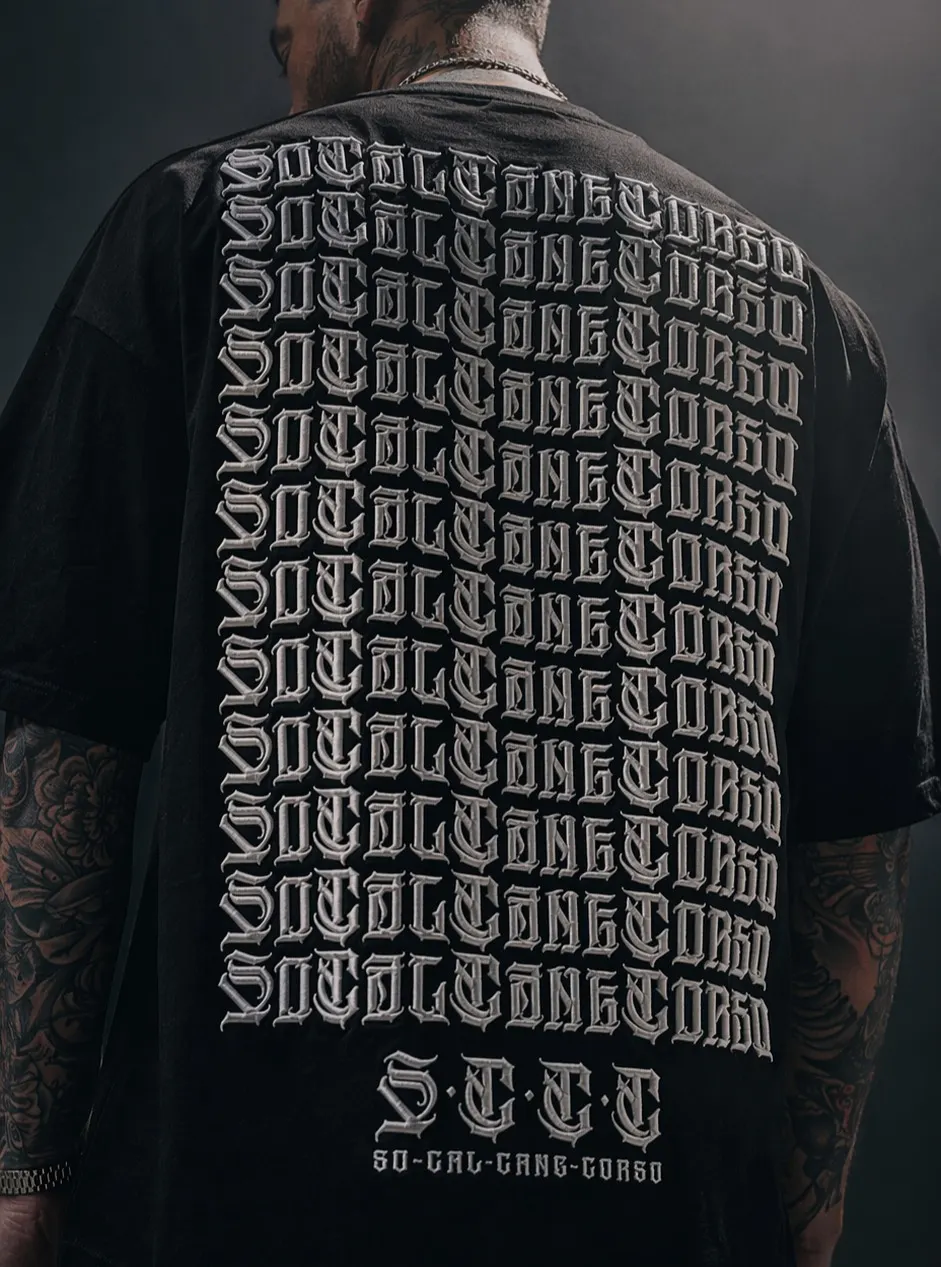
The crest had to work at two extremes: two inches on a collar tag, and across a truck door. That ruled out illustration. We built a mark on heraldic structure — solid mass, no thin strokes, readable as a silhouette — because a kennel's mark lives stamped, stitched and printed more than it lives on a screen.

Where the mark lives

Embroidered, worn
Collar and harness
Crest construction

In use since 2026 — the mark first, then the embroidery, then the full system.

02

Mad Cactus Customs

Edition Identity System

What they sell

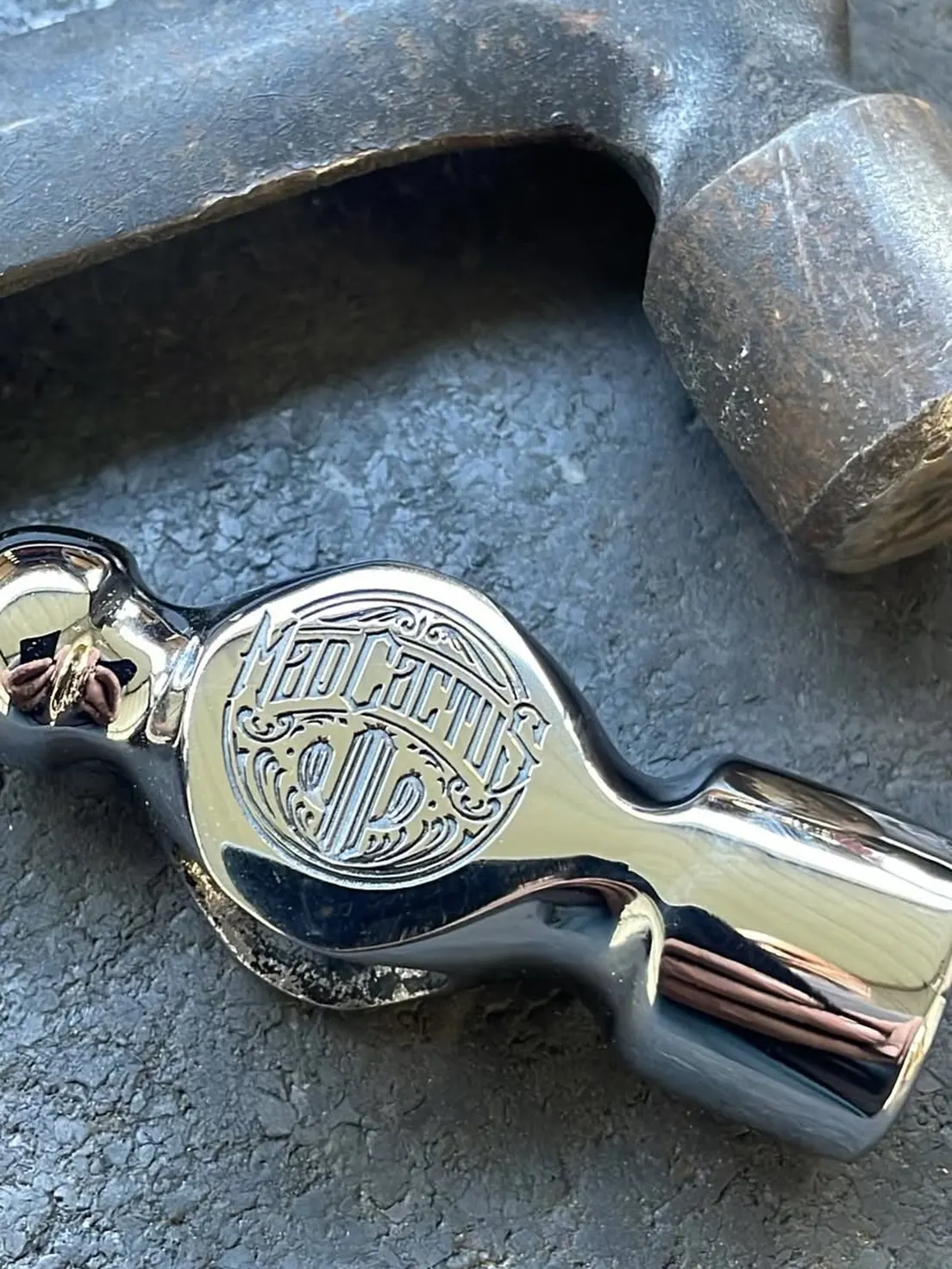
Mad Cactus Customs builds custom and engraved firearms in Dayton, Texas. Named editions — La Leyenda, 1 of 100 — list at $4,500.

What was breaking

His own customers kept telling him the same thing: the identity looked cheap next to the work. A shop selling out $4,500 named editions was carrying a house mark that read like a starter brand.

The decision

The mark had to survive the two processes the shop actually runs: laser engraving and cerakote. That set the floor before anything else — solid mass, no hairlines, legible at 6mm on stainless — and it ruled out most of what looks good in a presentation. A mark that only holds on a screen dies on a slide.

Where the mark lives

Engraved, polished steel
Apparel
Print

Dozens of pieces over years, across named editions. On the store today, every high-value run reads sold out.

Same client. Dozens of pieces. Over years.

What you get

  1. 01

    House Mark

    The mark the business runs under.

  2. 02

    Mark System

    Versions built for steel, leather, embroidery, screen and 6mm.

  3. 03

    Edition Name & Wordmark

    The name of the run, and the type it is set in.

  4. 04

    Numbering System

    How 001/100 reads, and where it sits on the object.

  5. 05

    Certificate of Authenticity

    The paper the buyer holds. It certifies unit 37 of 100.

  6. 06

    Production Standards

    How the mark behaves under engraving, cerakote, embroidery and die.

  7. 07

    Drop Kit

    Announcement, countdown, product card and photo direction.

Every mark is tested at production scale before it ships — 6mm on steel, stitched, foiled and screened.

Pricing

Identity + Digital

from $9,000

The full system plus the store and site, built with my engineering partner.

Edition Identity System

from $4,000

The full program: mark, system, numbering, certificate, packaging direction and launch assets.

Edition Naming

from $900

Name, wordmark and numbering for a single run.

Three clients at a time. Next opening: September.

Start a project

If a run is coming up, the naming and mark usually need to be locked about six weeks out.

Where the mark has to live